Eating for Energy, Not Just Weight Loss
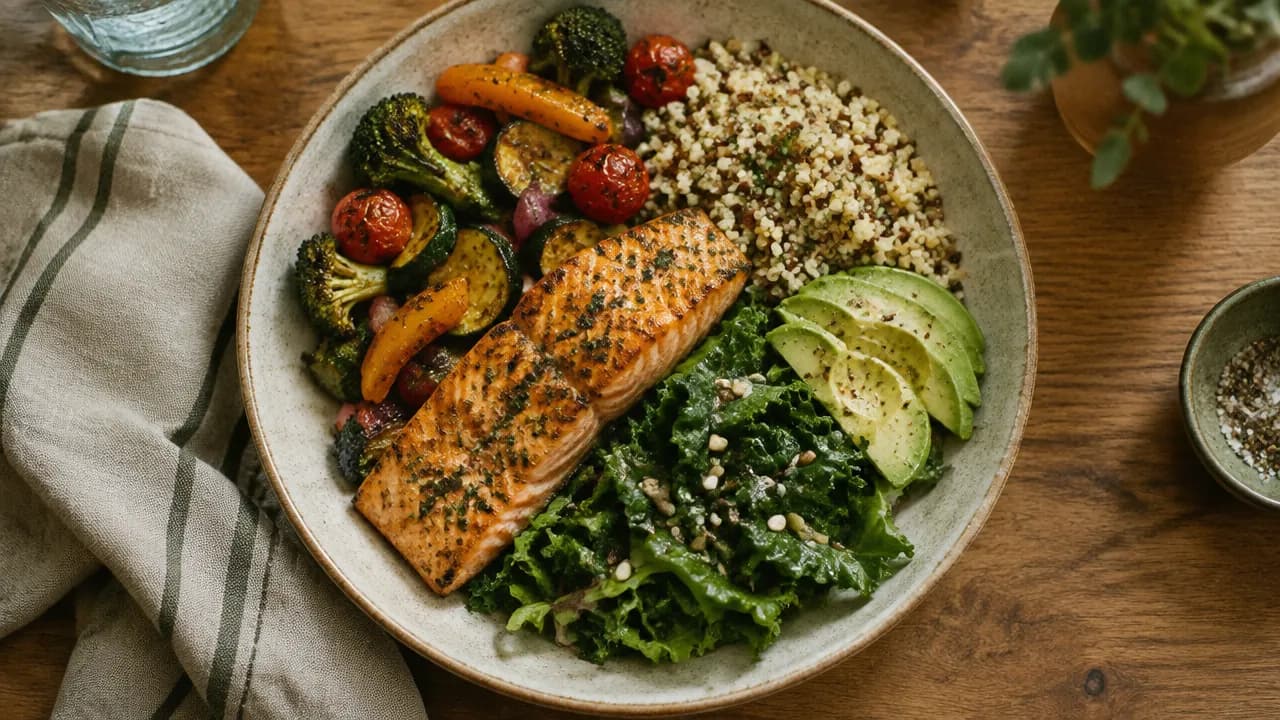
So much nutrition content is built around one metric: the number on the scale. That's a reasonable goal for some people, some of the time, but it quietly ignores a more immediate question — how do you feel two hours after you eat?
Energy-focused eating asks a different question than weight-focused eating, and the answers sometimes overlap and sometimes don't. Here's what tends to matter most.
Protein and fiber slow the crash
A meal built mostly around refined carbohydrates digests fast, spikes blood sugar, and drops you just as quickly. Pairing carbs with protein and fiber — think oats with nuts and berries instead of a plain pastry — smooths that curve and extends how long you feel steady.
Consistent meal timing matters more than people expect
Skipping meals to 'save calories' often backfires as an energy strategy, leading to a big blood-sugar swing later and a harder crash. Eating at roughly consistent times helps your body predict and manage its own fuel supply.
Hydration is an energy variable, not just a thirst variable
Mild dehydration — even at 1-2% of body weight — is enough to measurably affect concentration and perceived energy. If your afternoon slump shows up at the same time every day, checking your water intake before reaching for more caffeine is worth the two minutes.
Under-eating is its own energy drain
Chronic, aggressive calorie restriction can leave you technically 'fed' but functionally low on fuel, especially around workouts or demanding mental work. Eating enough, consistently, is not in conflict with most reasonable body composition goals — it's usually a precondition for sustaining them.
A simple frame to try
For your next few meals, instead of asking 'is this good or bad for me,' try asking 'how will I feel two hours from now if I eat this.' It reframes food as fuel for the day ahead rather than a moral test, and for a lot of people, that shift alone changes what ends up on the plate.